
Factory Visits: A Practical Guide for Fashion Brands
Lots of brands start up and work with factories they’ve connected with via LinkedIn or Instagram, or through a recommendation from someone already in the industry. When you’re first starting out and only making 20 pieces you’ve got to roll with it and investing in a long-haul plane ticket and a hotel for a not-so-glamorous ‘holiday’ doesn’t always feel right.
Once you’re looking to scale, you absolutely have to visit.
There are so many reasons why it’s vital to meet your suppliers on their home turf and see where your product is actually being made. You need to see the equivalent of your factory in its pyjamas, with no makeup on and you’ll only get that by visiting and having a respectful poke around.
I know you want to appear profesh and like you do this every day, so don’t worry, I’ve got you.
First Things First: Let’s Keep You Alive
Most of the brands I work with are owned by women (girl power), but this advice applies to anyone.
Factories are often based far away from tourist areas, sometimes a long drive from the nearest hotel into an industrial zone. Some popular manufacturing countries aren’t really set up for solo female travellers. I am a big believer in burn the patriarchy, women can do anything men can do and we should feel confident and safe anywhere, but some of these places are still catching up on the memo.
A few reminders:

We did manage to make some time for a holiday in Mauritius - you can tell from our fresh faces that this was a time before kids
Arrange a trusted local contact if possible, someone from the factory you’ve met before, or a sourcing agent. If in doubt, take a companion. I’ve taken my husband on work trips a couple of times when travelling alone (he liked Mauritius the best. I didn’t really ‘need’ him but he insisted it was for my safety)
Invest in large amounts of hand sanitiser and use it constantly. Keep some loo roll in your handbag and start mentally preparing that the factory might not have proper toilets.
Dress practically and with cultural awareness. Save your bra top and short shorts for the hotel. An oversized cotton shirt and loose trousers are ideal. Factory showrooms often have aggressive air-conditioning, I’ve never been as cold as I’ve been on visits to India.
If the factory owner suggests dinner, it’s usually about relationship-building. If you’re up for it, go but you might want to suggest a restaurant at your hotel so you stay in control of the environment.
Right, now that bit is out of the way, let’s get into the meaty bit.
You’ve arrived at the factory safely, you’re dressed for success and ready to see what this is all about.
Phase 1: The Showroom
You’ll almost always be taken straight to the showroom: drinks, snacks, small talk and rails of (hopefully) gorgeous samples.
Having a flick through the rails is a great way to ease into the visit. You can see examples of things they can produce and ask about pricing to get an idea. Ask to see prints, trims, and fabrics.
Let them make a fuss of you, they are probably genuinely pleased you’re there.
Phase 2: Get into the thick of it
Once you’ve relaxed, ask who can show you around the factory floor and watch the reaction.
Do they call someone over straight away? Do they pick up the phone and start talking loudly and panicked?
Do excuses suddenly appear about why you can’t go back there?
Let’s say that everything goes well and someone soon appears at the door to whisk you away, this will hopefully be the Production Manager, but you might also be escorted round by your contact (or both of them). None of these are right or wrong, but its sometimes interesting to see the interaction between everyone.
In a good factory, the Production Manager will be absolutely buzzing to show off to the nosey client, and that pride is a massive green flag. Befriend this person, they’re the ones who will look after your production and tell you what’s really going on.
Once you’re on the factory floor, ask any question you can think of. This is your first factory visit and it’s an incredible learning opportunity so make the most of it.
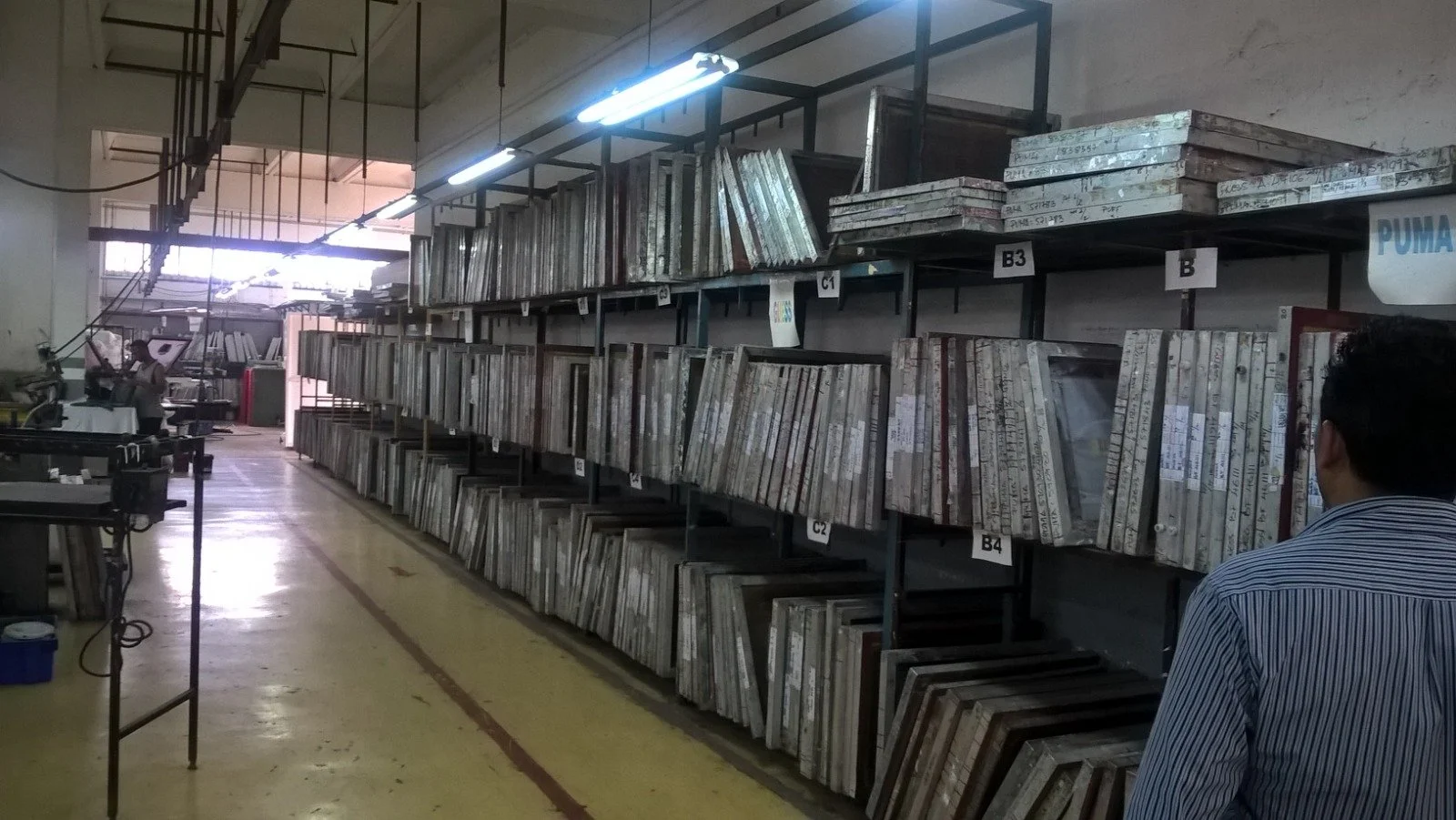
Really take in your surroundings, factories can be chaotic but are walkways clear? Are fire exits obvious? Are garments stored neatly in labelled bundles, or piled up on the floor?
Watch the People, Not Just the Process
I always try to catch the eye of the people actually making the clothes. I smile and wave and I love it when they wave back. Even without a shared language, that human connection tells you a huge amount about morale and culture.
Ask how many minutes the garment currently being sewn takes to make and follow it down the line. The speed and precision are something you have to see to believe.
When factories are proud of their workers, they’ll often show stats or talk openly about incentives for skilled operators.
How Many Hands Touch a Garment?
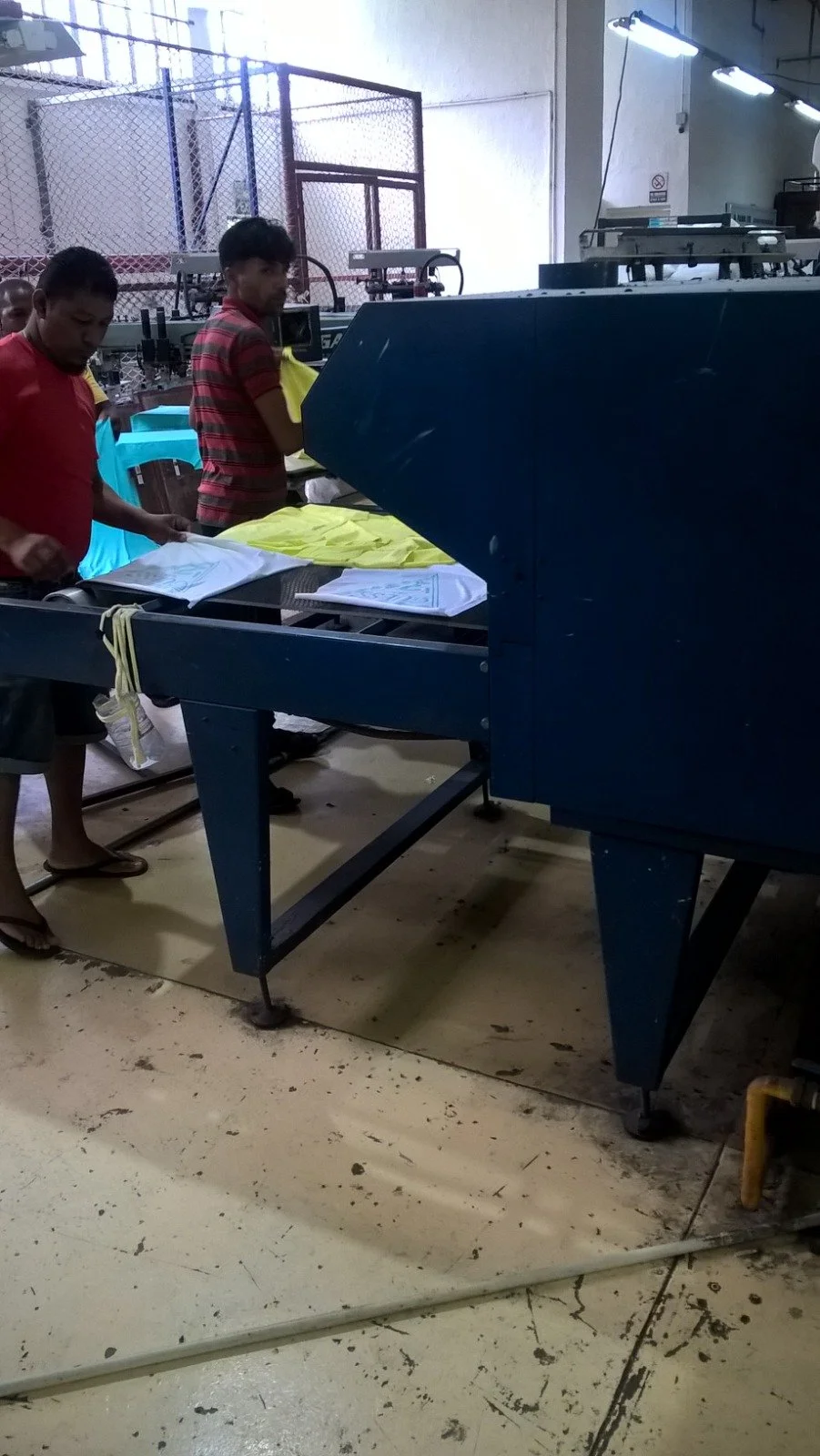
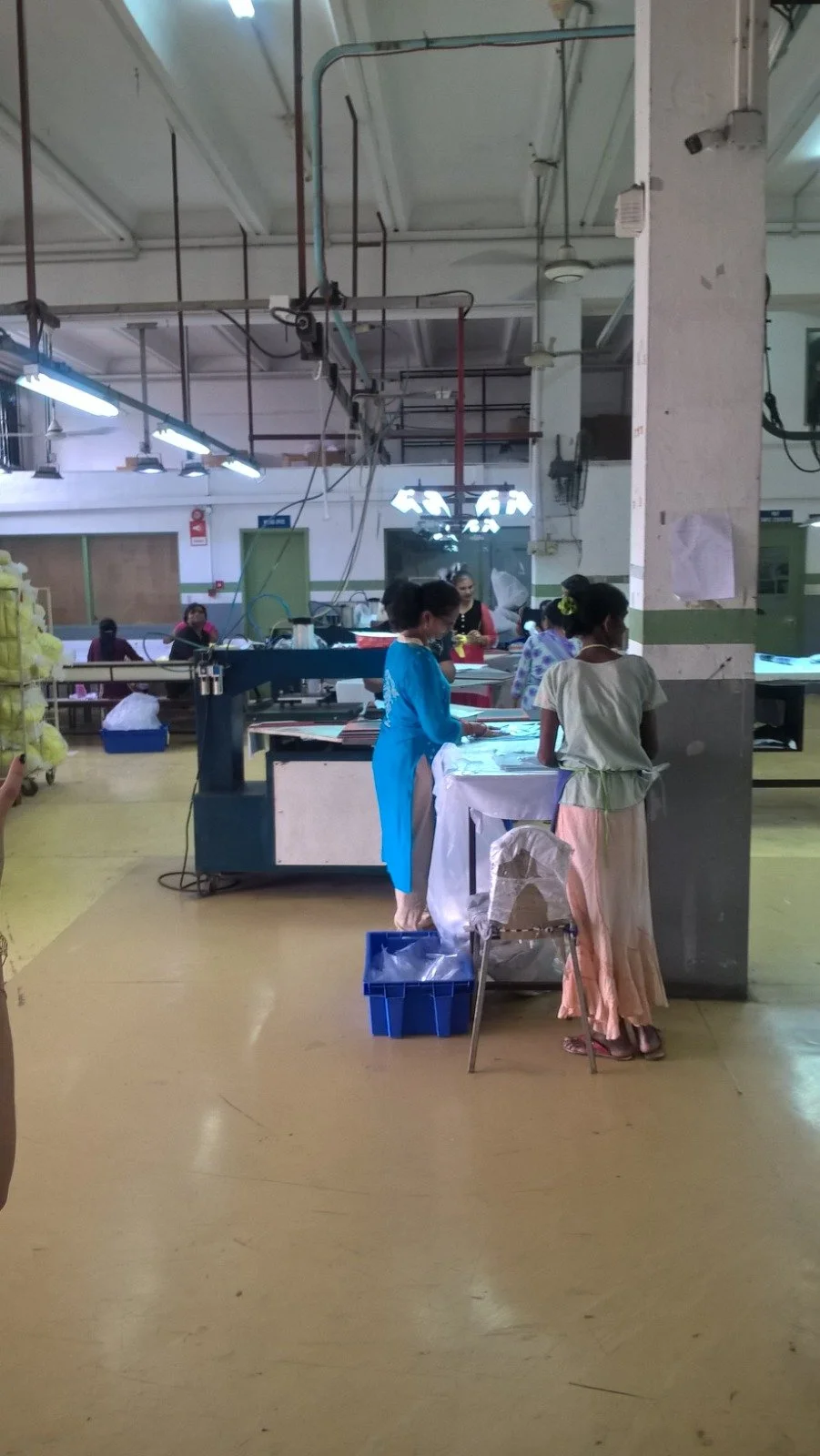
This isn’t one seamstress calmly making your garment from start to finish like it’s Project Runway. It’s a frantic, fascinating relay race.
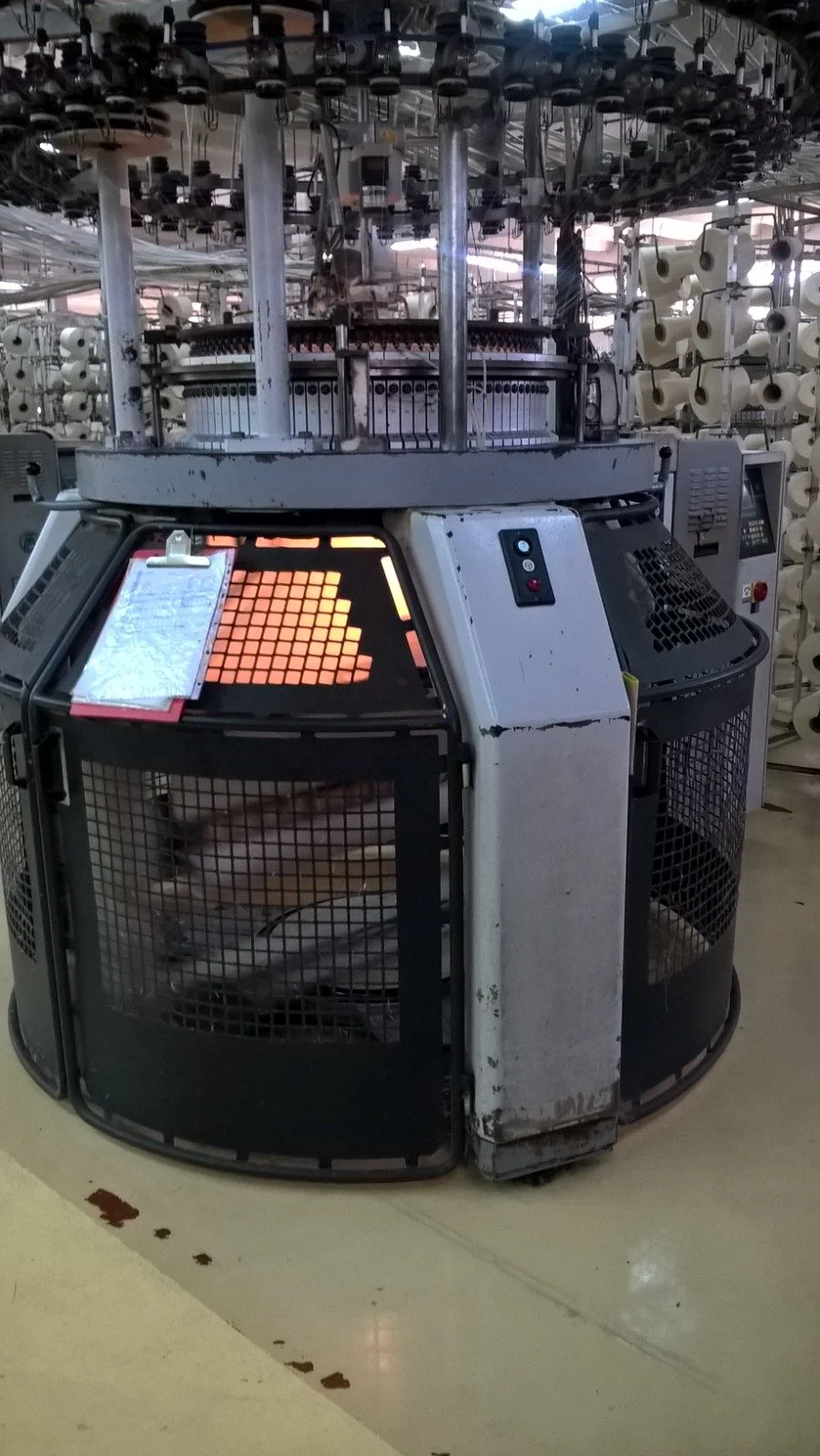
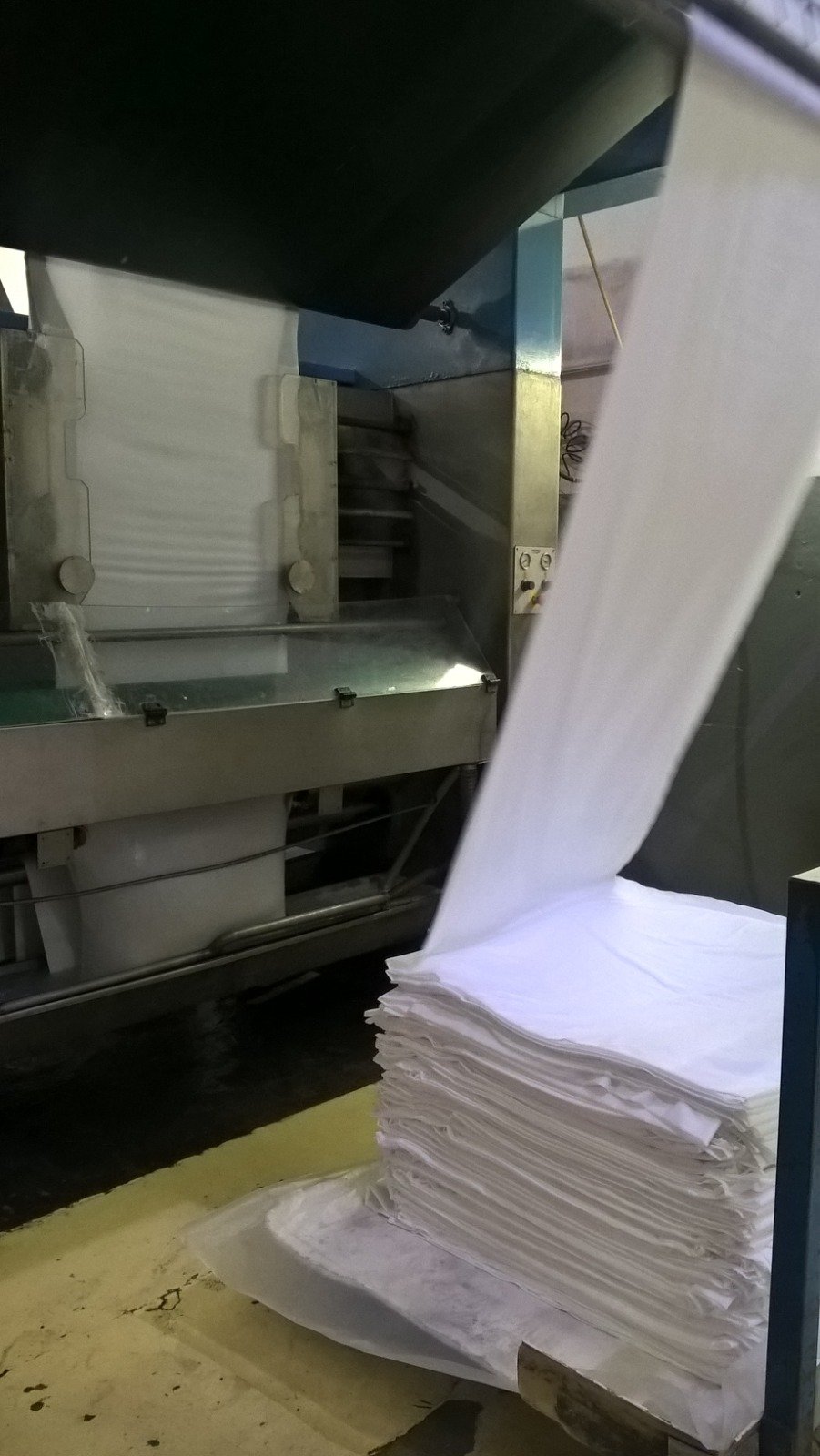
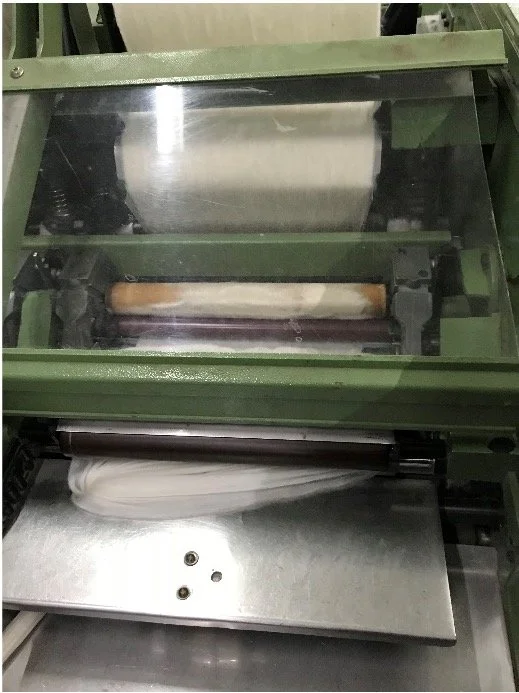
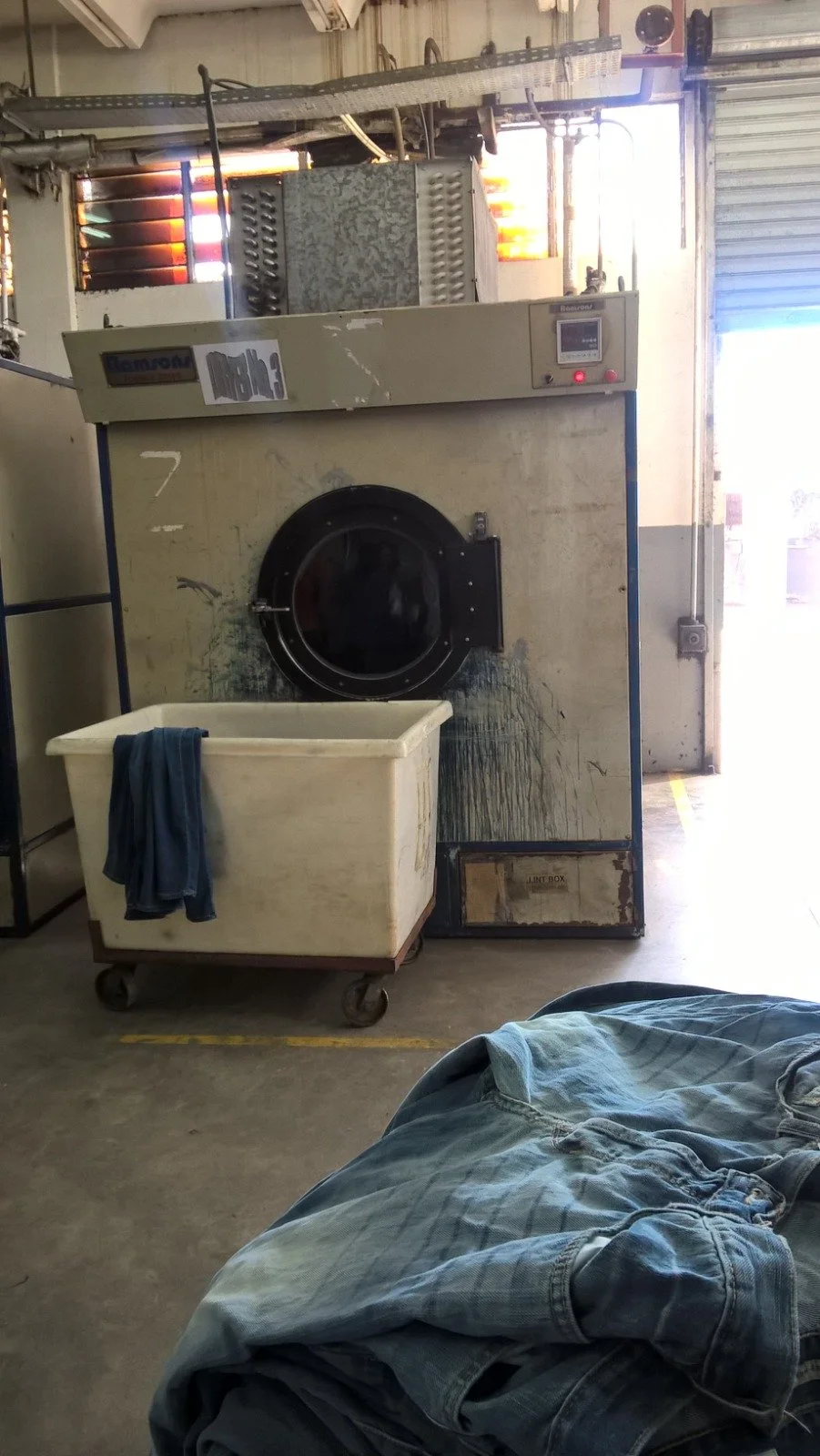
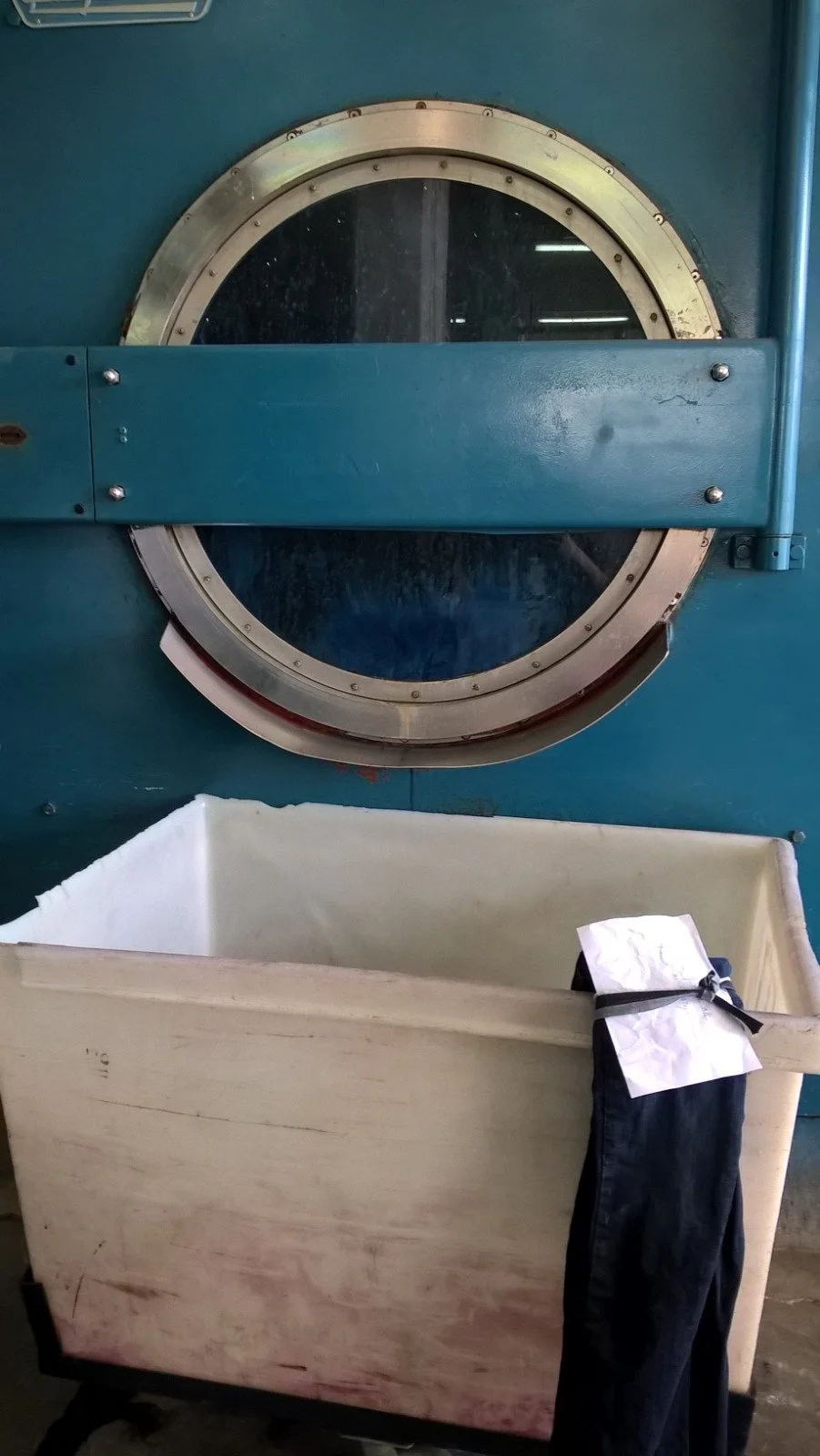
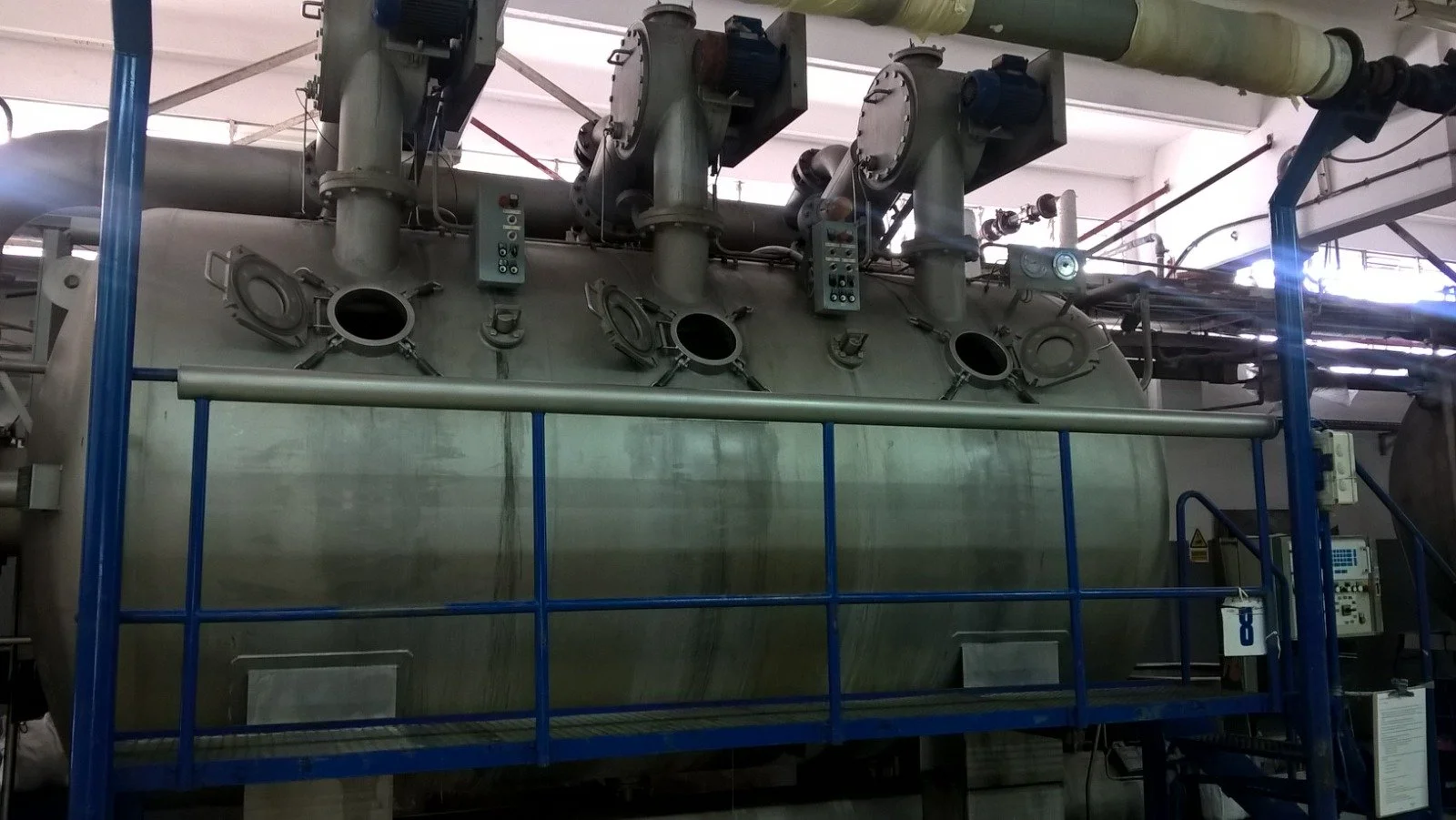
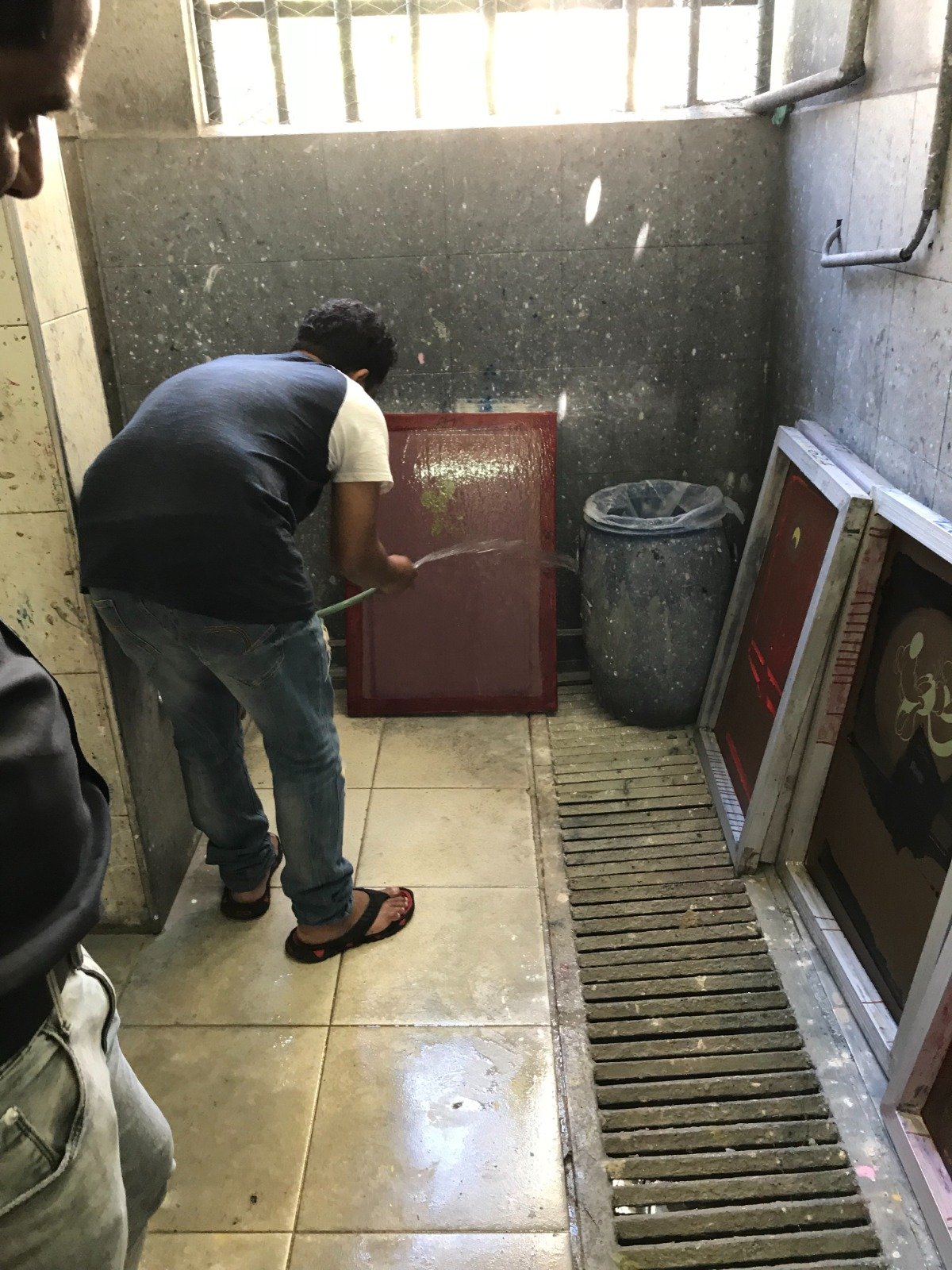
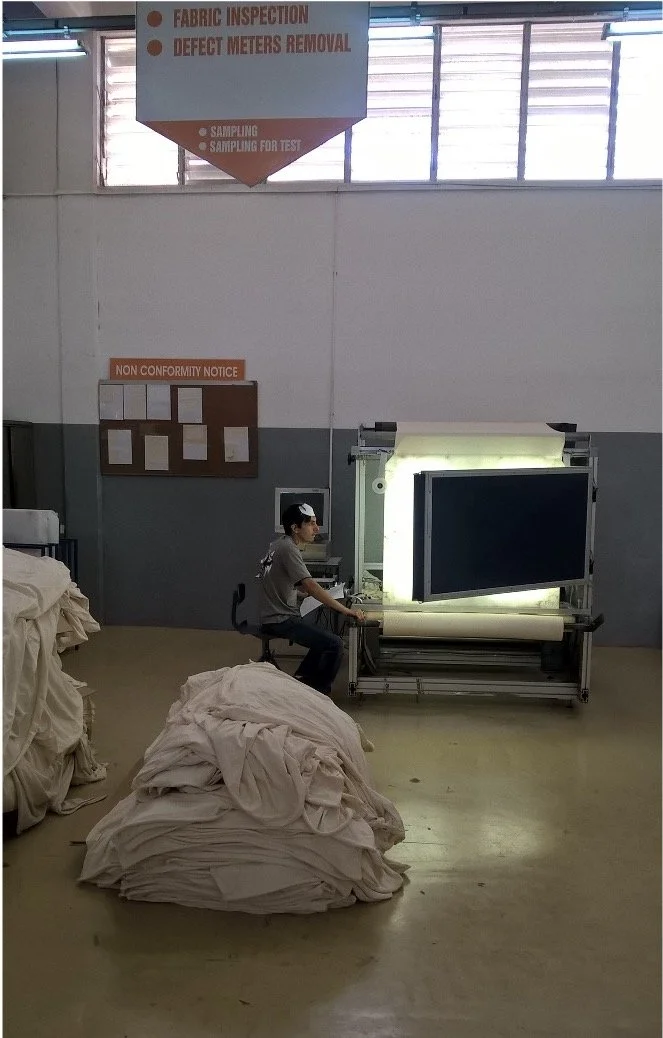
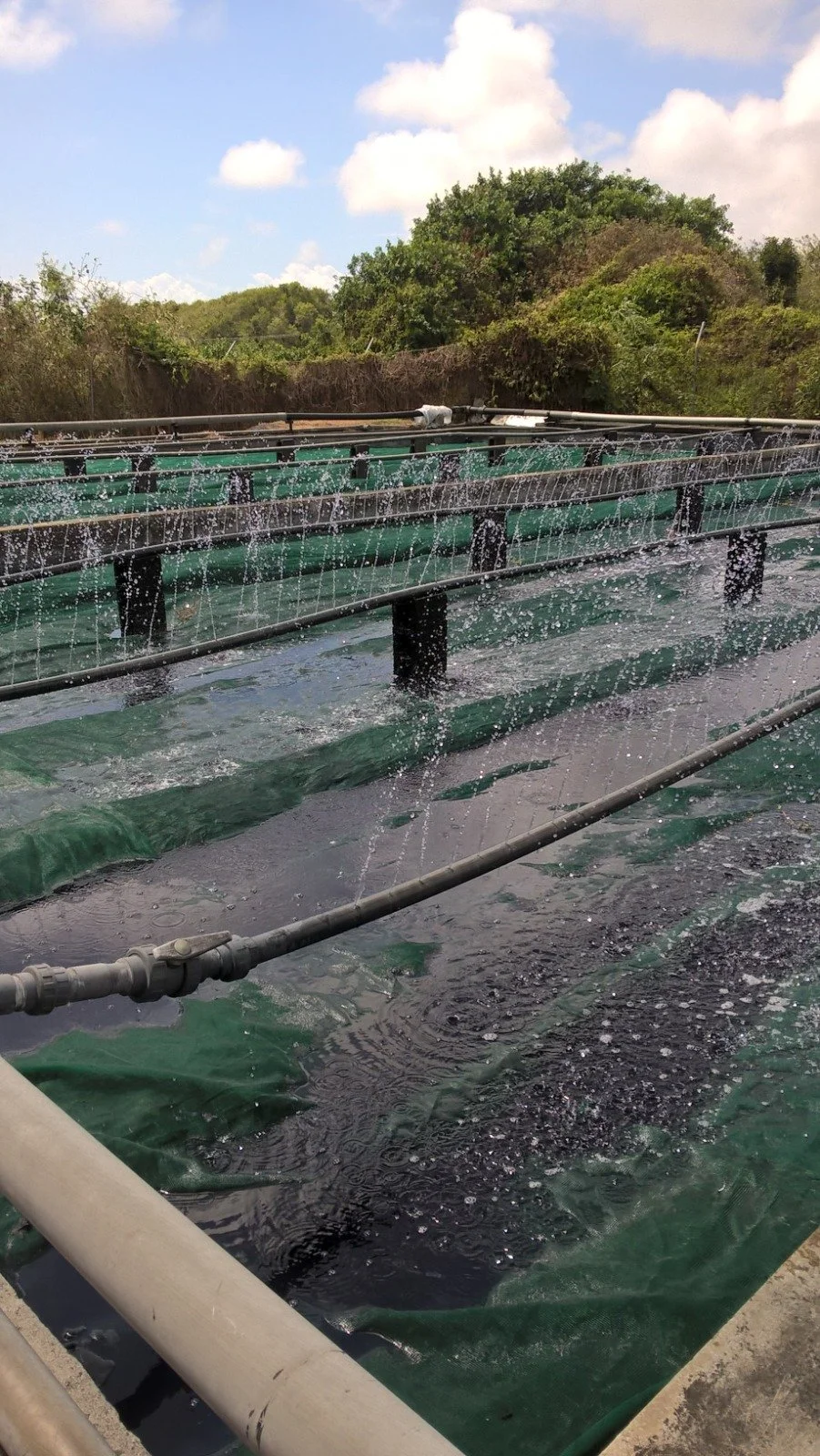
Let’s pretend it’s a t-shirt in a vertical factory. You will see people looking after the knitting machines making the fabric. Next the fabric will be QC’d, washed, dyed, checked again all by different people. It’ll then get laid out and cut by more people. The sewing will be done by different people, someone might do the side seams, someone else will put the sleeves in, another person for the neck binding and someone else for the hems.
There’s usually someone at the end of the sewing line checking for major issues like holes, but the garment will then usually be sent for a more detailed QC where threads are trimmed - yet another team of people. It will then get pressed by someone else and finally packed by someone else.
I once visited a denim factory with a Buyer who was shocked to learn that the ripped hole detail on jeans were done by an actual human with sandpaper, not some sort of machine.
The only place where you will see the one person making one garment is in the sample room, this is a great place to look around and ask questions, these people will be producing your pattern, making the sample and will be giving feedback about feasibility for production.
This is where cost becomes real. That extra 20 cents you’re negotiating isn’t just a spreadsheet number anymore, it’s the people you’ve seen working on the garment. Once you realise how labour intensive the entire process is, you will see why margins are so tight!
Trusting Your Gut
Your intuition is your brains way of warning you about something. If you feel like something is a bit off, you are probably right. I have often said I know instantly when I’ve stepped foot into a bad factory. I appreciate I have years of experience and have visited many factories but if:
Answers don’t quite match earlier answers
You feel rushed through important areas
You’re discouraged from asking questions
Everything is ‘no problem’ with no explanation
Don’t ignore it just because the price is good, you’ve paid for samples, or backing out feels uncomfortable.
The Real Goal: Finding a Partner
You don’t need the biggest or fanciest factory. I once worked on a 20k+ production run where specialist embroidery was done in a factory not much bigger than my living room with only 4 people working there!
You need a factory you can trust, one that:
Communicates clearly and honestly
Flags issues early
Provides up-to-date certification (ETI, REACH, Azo, GOTS, where relevant)
Respects the quality level your brand is aiming for
If a factory makes you feel silly, small, or inconvenient for wanting clarity, walk away. There are plenty that would love your business.
Got a factory visit coming up?
I’ve put together a practical Factory Visit Checklist you can download and take with you. It helps you know what to ask, what to look for, and how to trust your gut without second-guessing yourself.