
CASE STUDY: Eliminating the Double-Fitting Drain
How a Phased Autonomy Plan Reduced Sampling by 60%
If your business model has morphed into hosting endless sample sales just to pay for more samples, you aren't running a fashion brand, you’re running an expensive, high-fashion recycling centre.
If you’re fitting a sample in-house that has already been fitted, measured, and blessed by your overseas agent, you aren't being thorough. You are paying for a first-class ticket and then insisting on sitting on the pilot’s lap and telling him what to do. It’s expensive, pointless and to be honest he doesn’t want you there.
Here is how I killed a double fitting drain and reclaimed 60% of a brand’s sampling volume before the brand turned itself into a charity.
The Symptom: The Trust Tax
This brand had an overseas agent. They paid this agent good money to be their eyes and ears. Yet, every single sample was still being flown to the UK to be poked, prodded, and measured by the in-house team like the agent has no idea what they’re doing.
The result? A total developmental bin-fire:
The Calendar from Hell: We were adding 2–3 weeks to the timeline just for shipping and redundant fit sessions.
The Money Pit: Thousands of pounds vanishing into international couriers, sample surcharges, and fit models who were essentially being paid to stand there while people discussed things that had already been fixed.
The Relationship: The agent felt undermined and were desperate for ownership, and the UK team was drowning in a sea of cardboard boxes and just in case measurements.
The Audit: Facing the Cold, Hard Data
I didn’t just look at the clothes; I looked at the paper trail. I looked back at two seasons of approval history. The verdict: 90% of the agent's fit comments were identical to the UK team’s. We were spending a fortune to confirm what we already knew. There was no risk, it was a ghost in the machine kept alive by the UK team’s inability to let go.
THE PLAN
You can't just flip a switch on trust, that’s how people end up with 5,000 units of trousers with one leg shorter than the other. We did it in phases to prove the concept without the structural panic.
Stage 1: The Gentle Ease-In (The "Don't Panic" Phase)
We started with repeat styles. If you’ve sold this blouse in five prints already and it’s a bestseller, there is zero technical reason to fit the new blue one. None.
The Change: The agent took full ownership of PP (Pre-Production) and Gold Seals for repeats. No UK fit. No shipping. They sense checked the print hadn’t made something crazy happen to it, but we trusted them to crack on.
The Result: An immediate reduction in fit sessions. The CFO stopped crying every time the DHL bill arrived.
Stage 2: Giving Up the Bulk Policing
Once the agent proved they could handle a repeat without the world ending, we moved to seasonal styles.
The Change: The UK team handled the initial "is this actually cute?" fit to set the silhouette. The next fit was done by the agent and once they were happy the fit was great, they sent it to the UK to approve.
Once approved, they handed the reins back to the agent for the PP and Production stages.The Result: The UK team stopped being micro managers and started focusing on innovation for the next season.
Stage 3: Full Technical Autonomy
After one full season of successful deliveries, the safety net started to look a bit silly.
The Change: The agent assumed responsibility for the entire lifecycle first fits to Gold Seals, plus lab dips and strike-offs.
The New Normal: The UK team shifted to a Sense Check model. They looked at the first sample to ensure the design intent was met, then let the technical experts on the ground handle the details and only stepped in when needed.
The Damage (Or lack thereof)
By the end of the year, the numbers were staggering:
60% Less Sampling: We stopped making samples just for the sake of it.
30% Lower Shipping Costs: Fewer DHL bags flying across the ocean = a much happier bank balance.
15 Hours Reclaimed: The UK team got nearly two full days of their week back.
Sustainability: Less air freight isn't just a cost saving; it’s a massive win for the brand’s carbon footprint.
The Takeaway
You don't need more samples; you need a better process.
If you need help refining your processes, contact me and talk me through your pain points.
About the Author
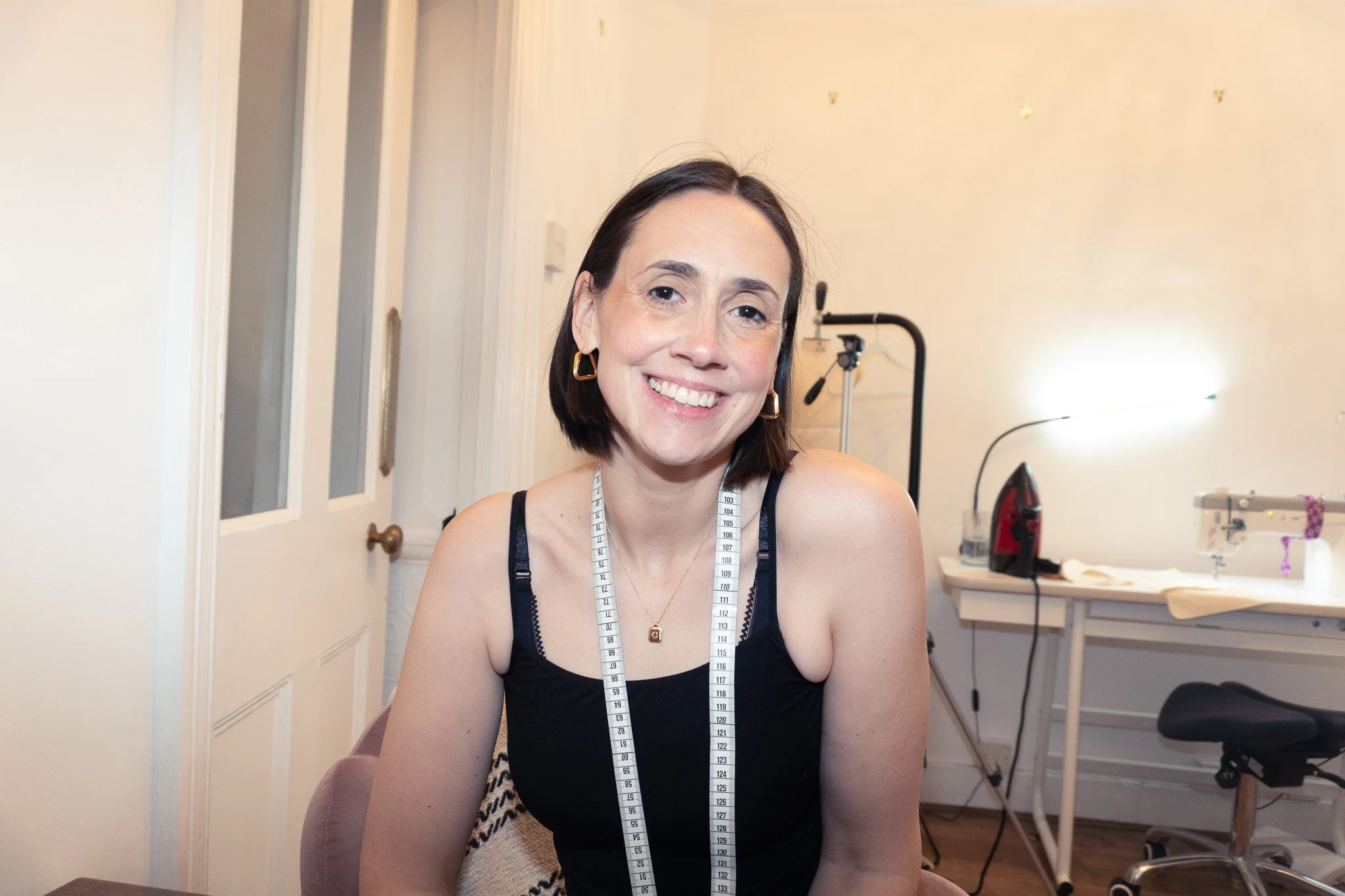
Tash | Freelance Garment Technologist & Production Consultant
With 14 years of industry experience, I help independent womenswear brands move from "hope and luck" to production-ready reality. Based in London, I specialise in bridging the gap between design and the factory floor through technical precision and honest consultancy.
How I can help your brand:
Process Improvement: Cut costs, reduce waste, crack on with the fun stuff.
Tech Pack Services: Detailed specifications to reduce factory errors.
Fit & QA: Leading fit sessions (in-person or remote) to perfect your silhouette.
Production Management: Strategic support from first proto to the final gold seal.
Contact me